What Is Agarwood (Trầm Hương)? How It Forms and Why It Is Precious
A clear guide to agarwood.
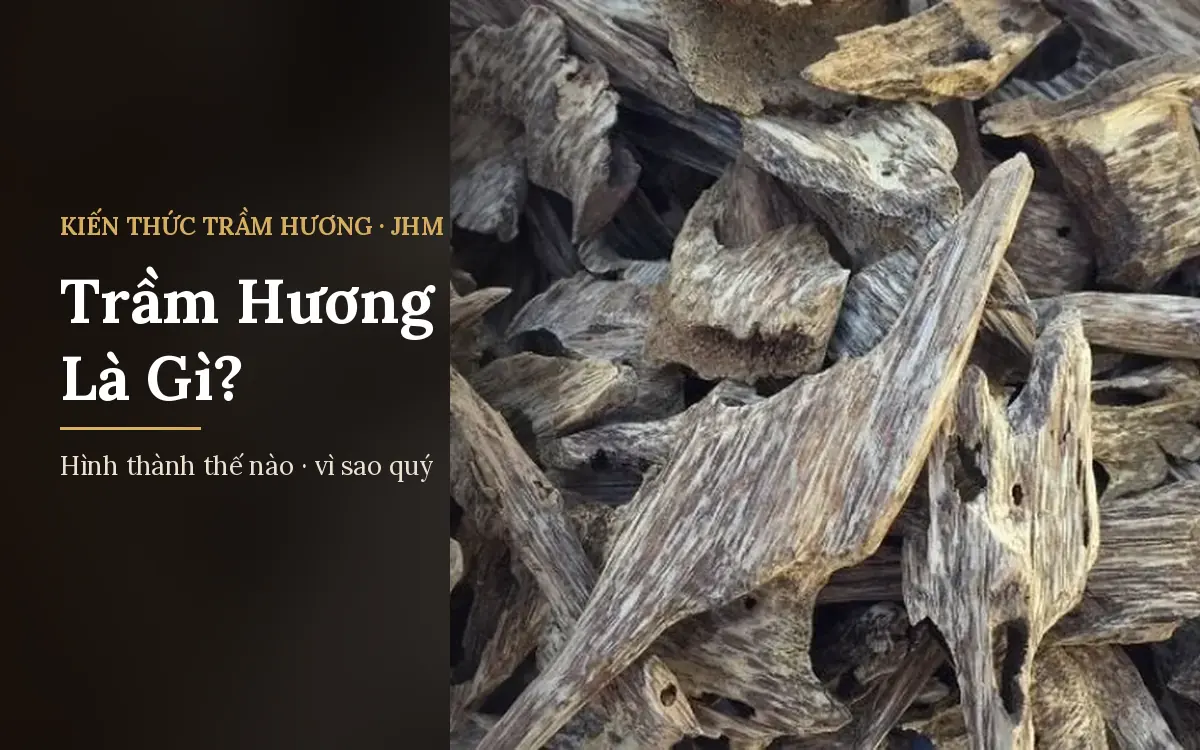
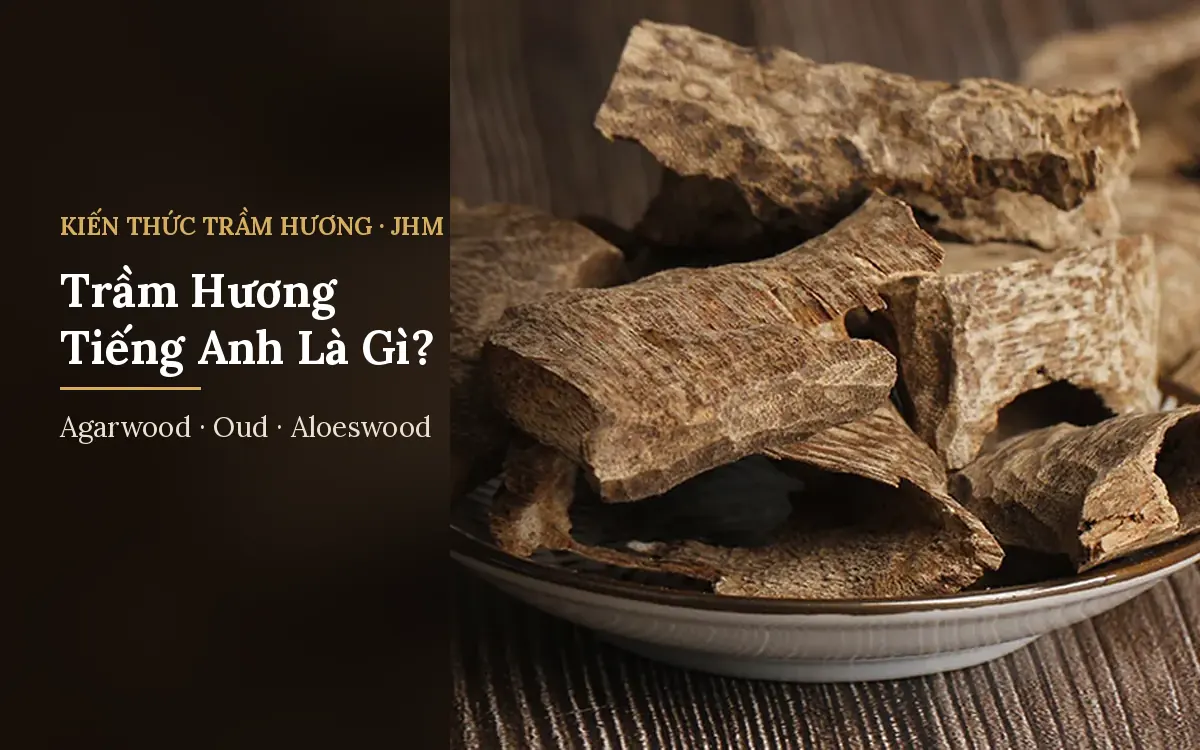
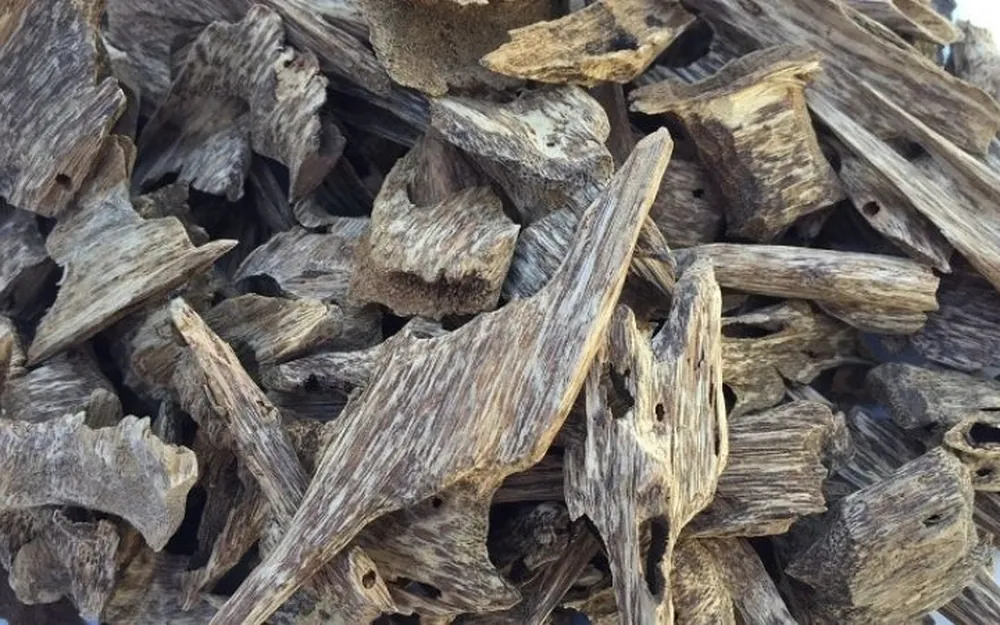
What is agarwood? Known in Vietnam as trầm hương and in the Middle East as oud, agarwood is not a tree species. It is the resin-saturated heartwood that forms inside certain Aquilaria trees after they are wounded. Healthy wood is pale, light and almost odourless; only after years of “self-healing” does it darken, grow heavier and become fragrant.
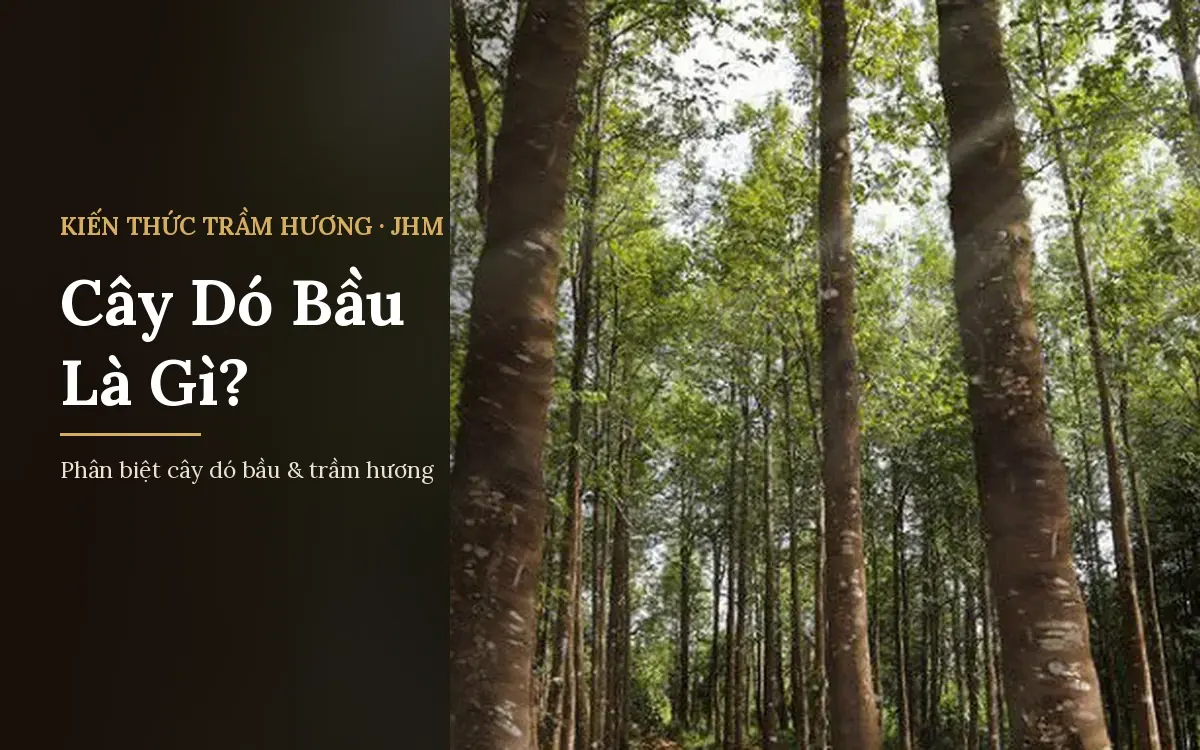
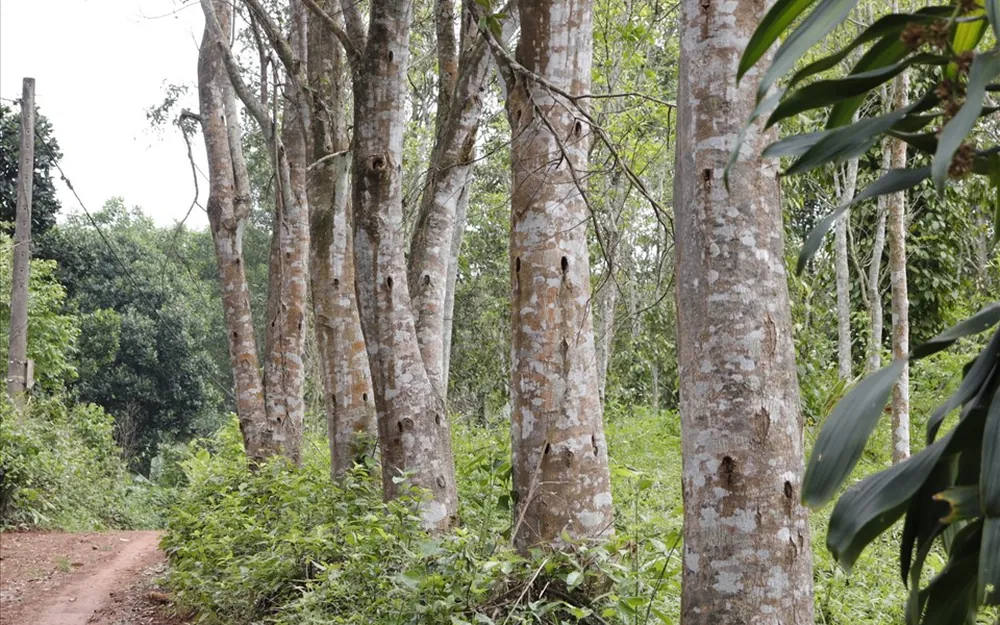
The tree behind agarwood
In Vietnam the main species is Aquilaria crassna (cây dó bầu), with smooth silver-grey bark. Regions such as Khánh Hòa, Quảng Nam and Hà Tĩnh have long traditions of agarwood.
How agarwood forms
- The tree is wounded – storms, lightning, insects or people.
- Fungi and microbes enter the wound.
- The tree produces aromatic resin to defend itself.
- Over many years, the resin saturates the wood.
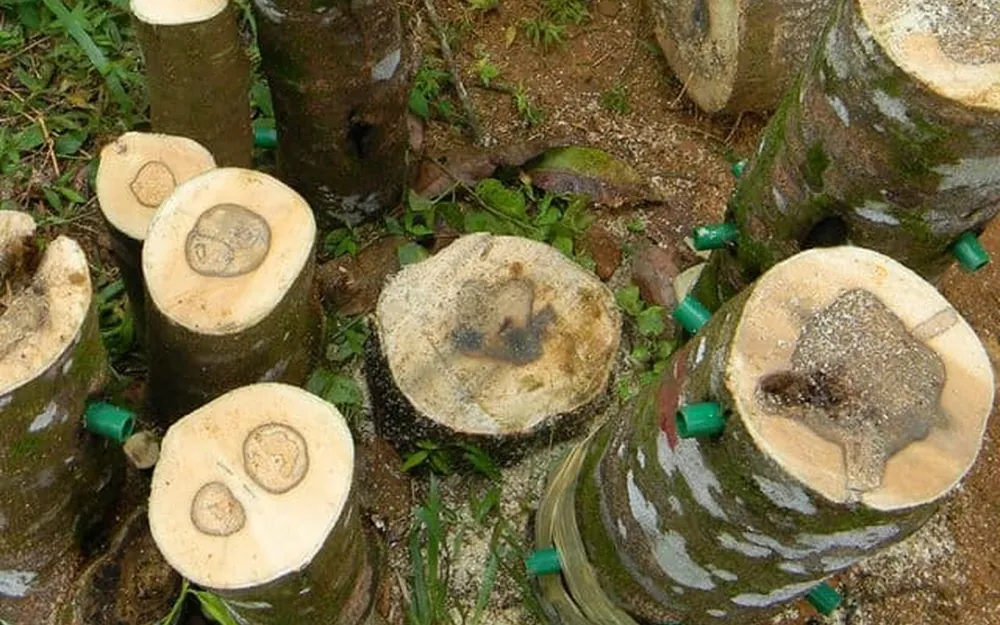
Wild agarwood can take decades; cultivated agarwood is produced by drilling and inoculating plantation trees, taking a few years and usually giving a lighter scent.
Why it is precious
It is rare and unpredictable, takes a long time, is harvested and graded by hand, has a deep layered scent and carries centuries of cultural meaning. Since 2004, all Aquilaria and Gyrinops species have been listed in CITES Appendix II, which requires international trade to be legal and sustainable.
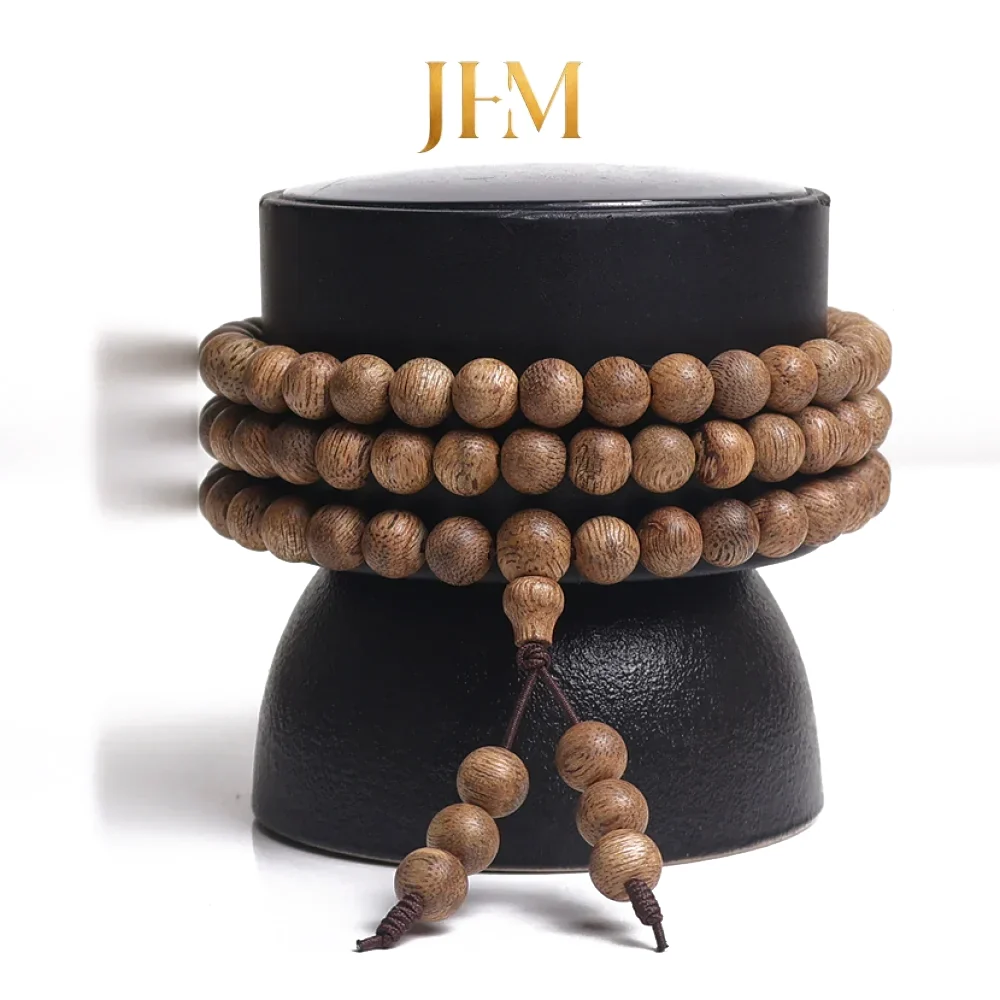
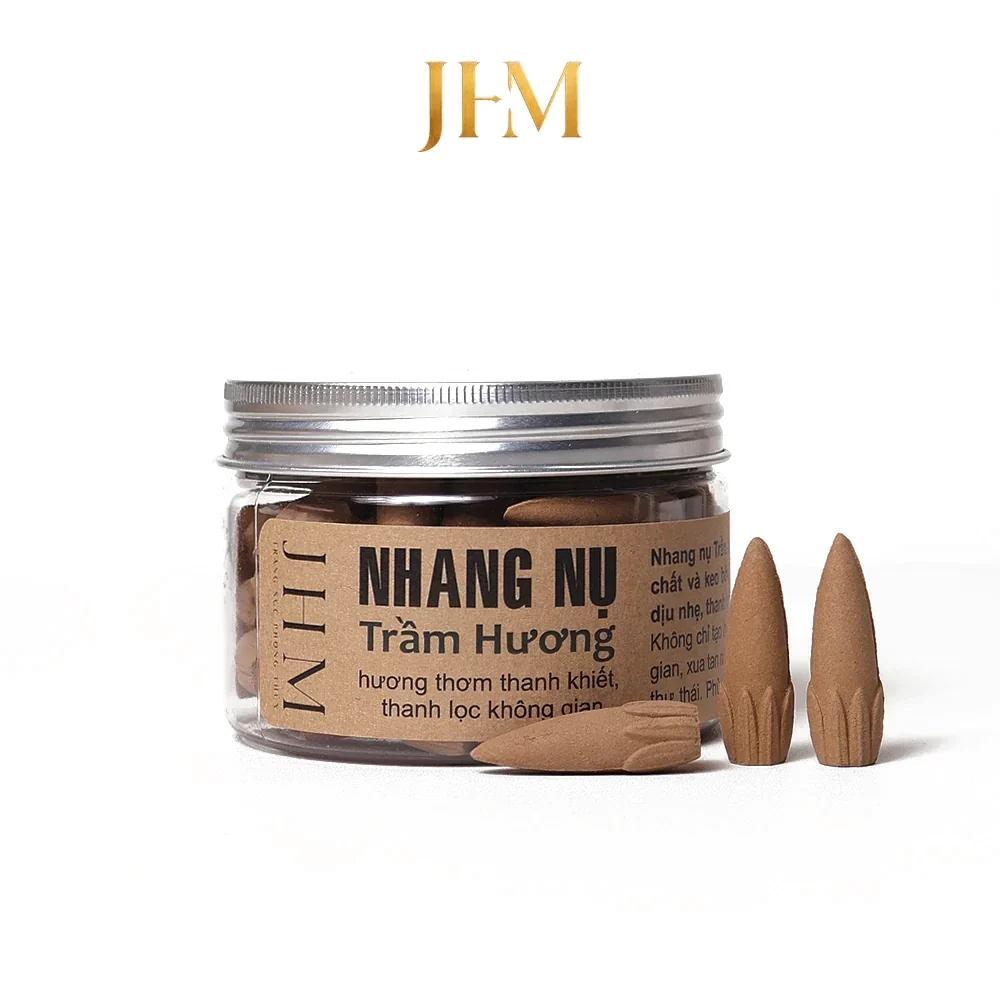
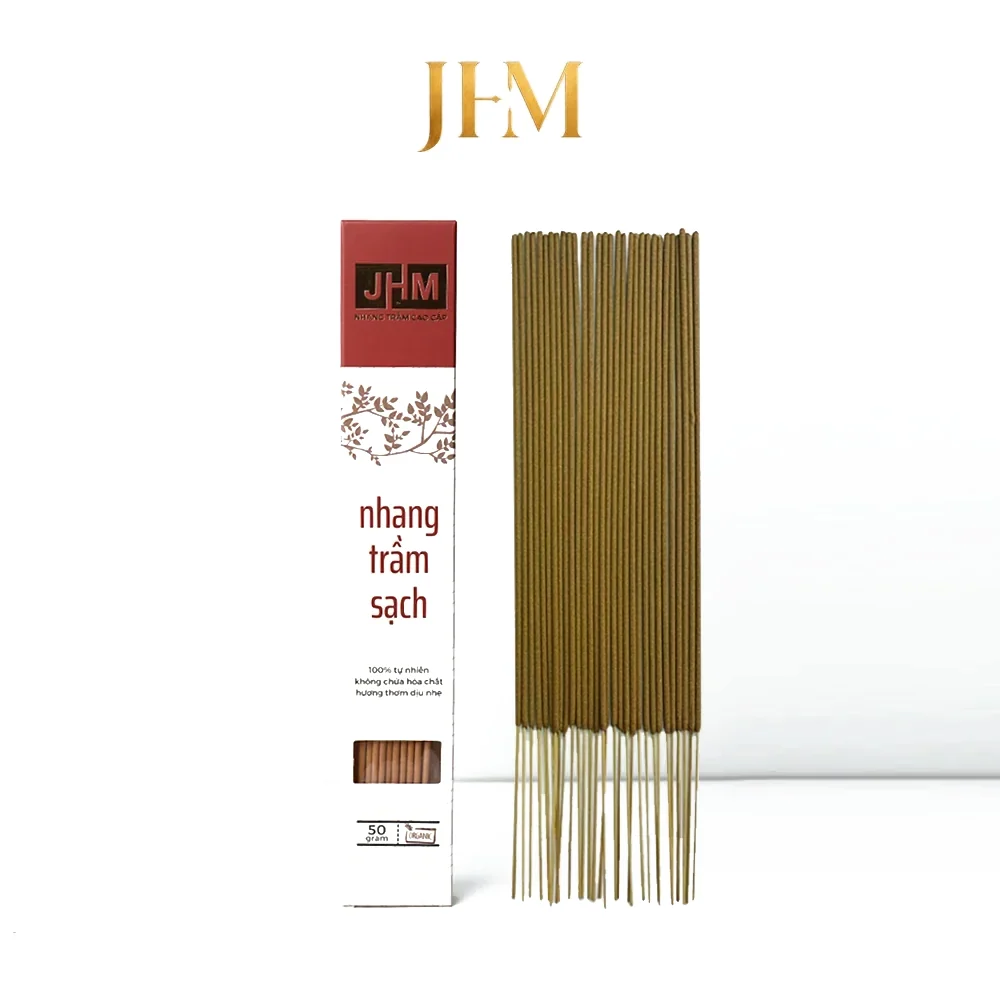
Agarwood products at JHM
FAQ
Is agarwood a tree?
No – it is resin-filled wood formed inside Aquilaria trees.
What is agarwood called in Vietnamese?
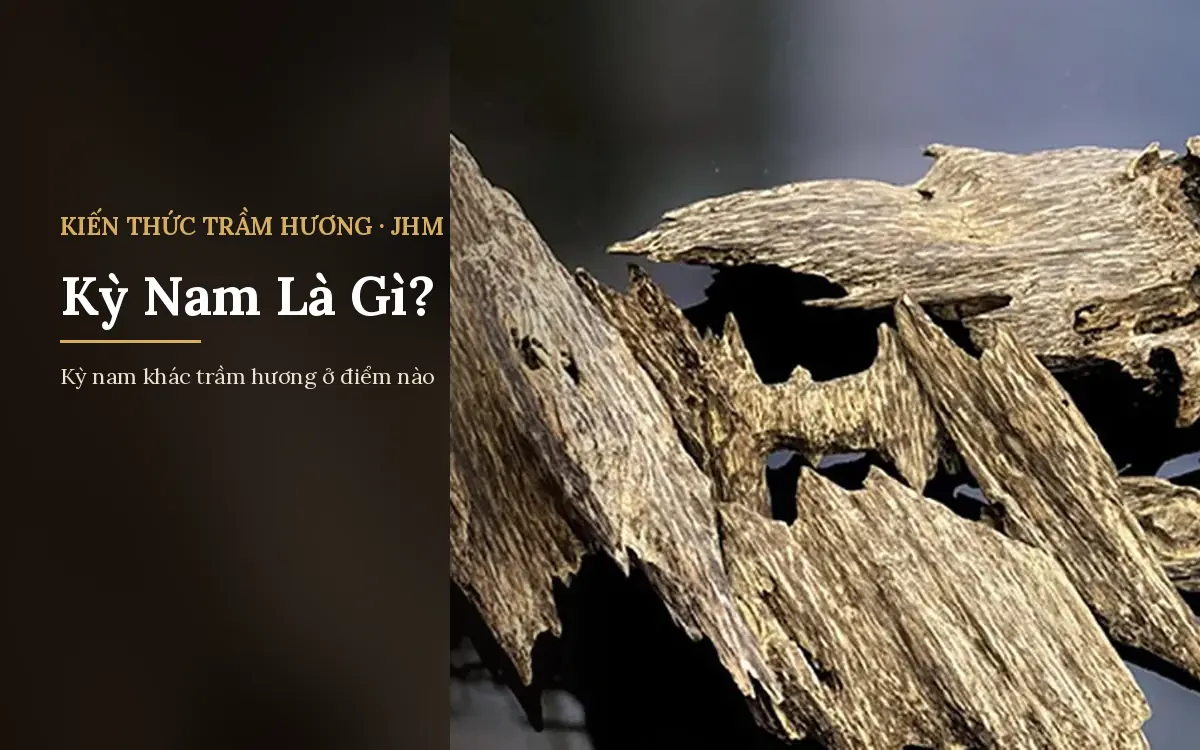
Trầm hương, or simply trầm. The rarest grade is called kỳ nam.