The Vietnamese House Smudging Custom Before Tet: Meaning, Timing and Safety
After the year-end cleaning, many Vietnamese families smudge the house so it feels fresh and warm for the new year. Here's a simple, safe way to do it.
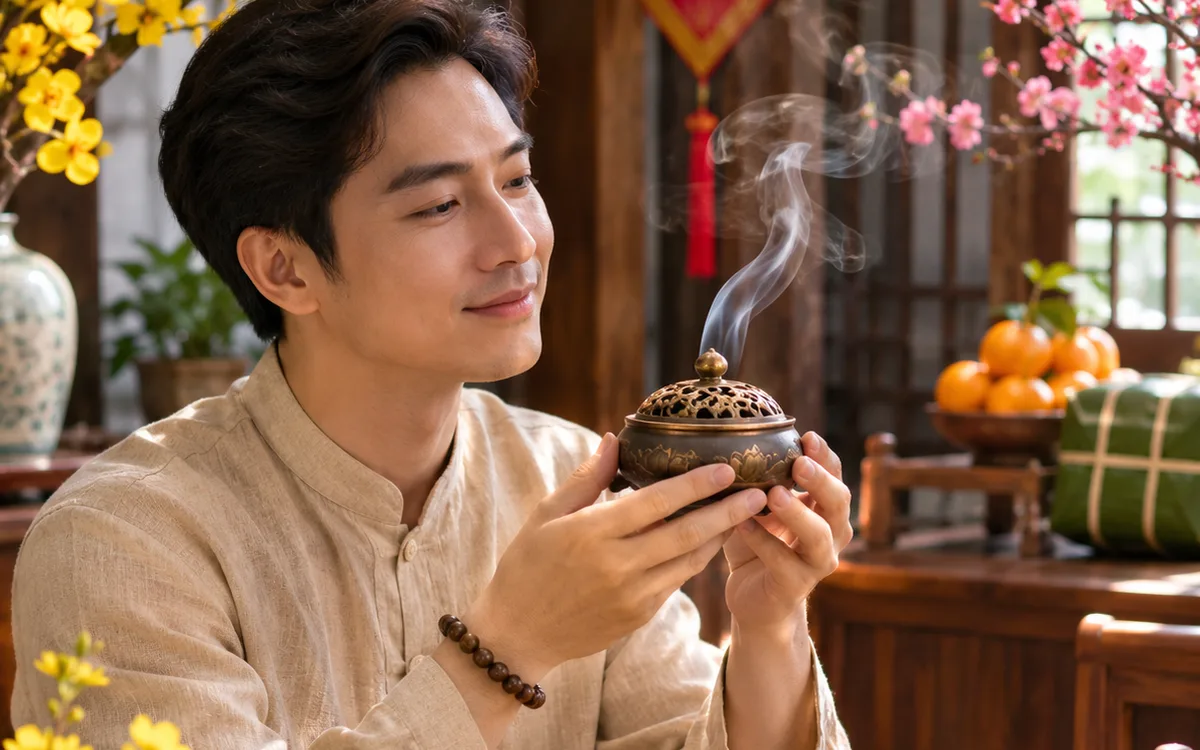
House smudging (xông nhà) is a familiar custom for many Vietnamese families at the end of the year, when moving into a new home or opening a shop. Beyond its spiritual meaning – marking a fresh start – it leaves the home fragrant and cosy after the big clean.
The meaning
In folk belief, smudging "refreshes" the living space, closing the old year and welcoming the new with a light heart. Whether you see it as culture or simply a way to scent the home, it brings a warm feeling to the whole family.
When to do it
- After the year-end clean, usually before the 23rd of the last lunar month or before New Year's Eve.
- When moving into a new home.
- When opening a shop at the start of the year.
- At the start of a month or on full-moon days, for families who smudge regularly.
How to smudge with a smudging pack
- Open the windows and main door for ventilation.
- Place the pack in a heat-proof bowl or tray on a non-flammable surface.
- Light it as instructed and walk slowly through each room.
- Let it burn out completely before clearing up.
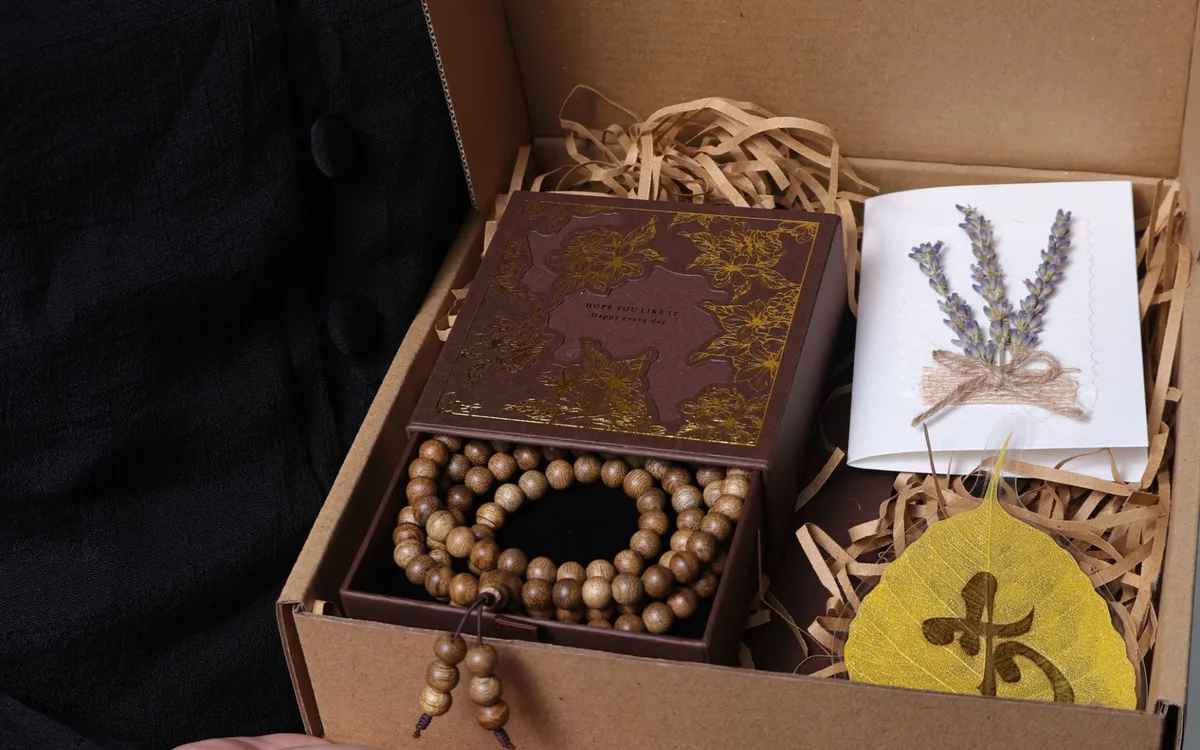
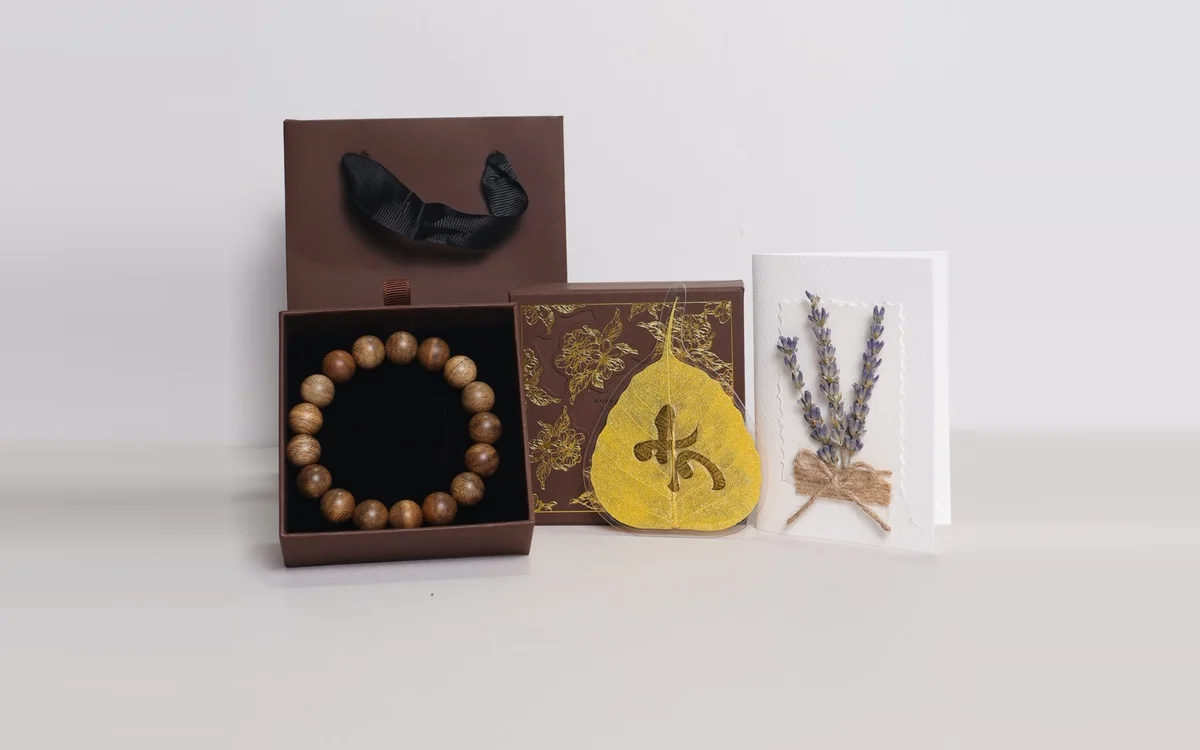
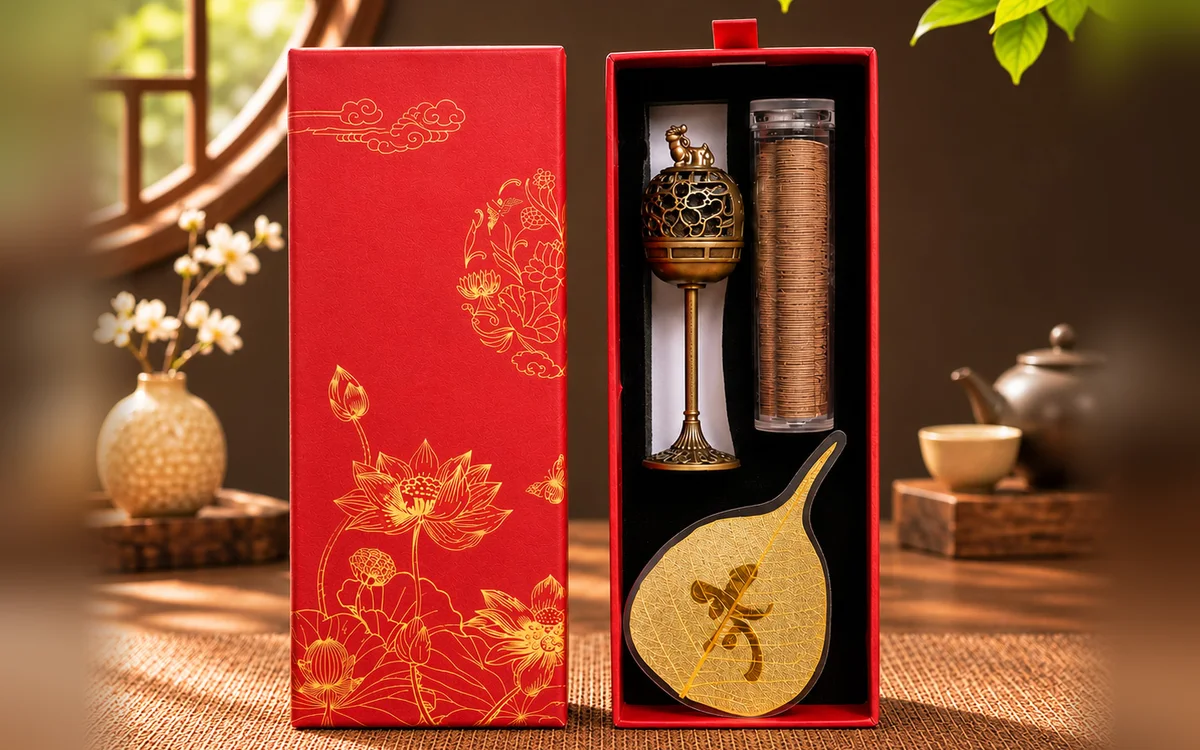
The JHM smudging pack is ready to use. For a lighter scent, try incense cones or stickless incense.
Safety
- Keep flames and embers away from curtains, paper and fabric.
- Keep the space ventilated; never smudge a closed room while someone is sleeping.
- Households with young children, elderly people or anyone with breathing problems should smudge while they are out, then air the house before returning.
- Keep away from children and pets.
Frequently asked questions
How much space does one pack cover?
One pack is usually enough for a small house or apartment; for multi-storey homes, smudge floor by floor.
Should I close all doors?
No – keep some doors or windows open for safety.